
Sports injuries
Meniscus Surgery: Repair or Removal, and How Arthroscopy Works
An overview of meniscus tear arthroscopy, explaining the choice between repairing the meniscus and removing the torn part, and what to expect from surgery and recovery.

If you have been told you have a torn meniscus, you likely have many questions about what comes next. Often, the conversation turns to surgery, specifically a 'keyhole' procedure. Understanding this operation, known as a meniscus tear arthroscopy, is the first step towards making an informed decision with your surgeon. This article provides a general overview of the procedure, the critical choice between repairing or removing the torn tissue, and what the recovery process often involves. It is intended to help you prepare for a detailed discussion about your specific knee.
What is Knee Arthroscopy?
Knee arthroscopy is a common form of minimally invasive surgery. Instead of a single large incision, the surgeon makes two or three very small incisions, often called portals, around your knee. Through one portal, a thin instrument called an arthroscope—which is essentially a small camera—is inserted. This sends a live video feed from inside your knee to a monitor in the operating theatre, giving the surgeon a clear and magnified view of the joint structures.
Through the other portals, the surgeon can insert slender, specialised instruments to work inside the joint. The knee is gently filled with a sterile fluid, which helps to create space and keep the view clear. For many patients, a knee arthroscopy is performed as a day-case procedure, meaning you can expect to go home on the same day as your surgery.
The Surgeon's Central Choice: Repair or Partial Meniscectomy?
The meniscus is a crucial C-shaped piece of cartilage that acts as a shock absorber and stabiliser between your thigh bone (femur) and shin bone (tibia). When it tears, the goal of surgery is to resolve the pain, locking, or instability it causes. During a meniscus tear arthroscopy, the surgeon faces a key decision: to perform a meniscus tear repair or a partial meniscectomy.

A partial meniscectomy involves carefully trimming away and removing only the torn, unstable fragment of the meniscus, leaving the healthy, stable portion behind. A meniscus repair, on the other hand, involves stitching the torn pieces of the meniscus back together, preserving the entire structure. In general orthopaedic practice, the strong preference is to repair the meniscus whenever it is possible and sensible to do so. Preserving your natural meniscus is generally regarded as an effective way to protect the knee's long-term health and may reduce the chances of developing arthritis in the future.
Why Meniscus Repair Isn't Always Possible
The decision to repair is not always straightforward. A successful repair depends entirely on the tissue's ability to heal, which requires a good blood supply. The outer third of the meniscus has blood vessels and is known as the 'red zone'. Tears in this area have a good healing potential. The inner two-thirds, the 'white zone', has no direct blood supply and therefore a very limited ability to heal, even when stitched.
Other factors also influence the decision. A simple, clean, vertical tear is often a good candidate for repair. However, complex, frayed, or 'degenerative' tears, which are more like a worn patch in a fabric, cannot hold stitches and are not suitable for repair. In these cases, a partial meniscectomy to remove the loose, irritating fragments is usually the most practical option. The final decision is often made during the operation itself, when the surgeon can directly examine the tear's location, pattern, and tissue quality.
Two Different Paths for Meniscus Surgery Recovery
Because the goals of the two procedures are different, their recovery paths also differ in character. A partial meniscectomy removes the problem tissue, so the focus of recovery is on settling the post-operative inflammation and regaining function. In many cases, patients are encouraged to bear weight as tolerated and move the knee early to prevent stiffness. The return to daily activities can be relatively quick.
A meniscus repair, however, requires protecting the stitched tissue to give it the best chance to heal. This means the meniscus surgery recovery is typically slower and more cautious. Your surgeon may prescribe a period of using crutches to limit the weight on your leg, and a knee brace may be used to restrict the range of bending for a time. The rehabilitation is just as important, but it follows a more protective and gradual timeline.
The Day of Your Arthroscopy: What to Expect
On the day of your surgery, you will arrive at the hospital and be prepared for the procedure. You will have a chance to speak with your surgeon and the anaesthetist. Anaesthesia for knee arthroscopy is commonly either a general anaesthetic (where you are asleep) or a spinal anaesthetic (where you are numb from the waist down). This is a decision made in discussion with your anaesthetist.
The surgery itself is usually completed in under an hour. Afterwards, you will be taken to a recovery area to rest. The small incisions will be covered with simple dressings. Once you are comfortable and have passed a post-operative safety check—which often includes a brief session with a physiotherapist—you can typically be discharged home with instructions for your care and a follow-up appointment.
Rehabilitation Milestones After Surgery
Physiotherapy is a vital part of your recovery, whether you have a repair or a meniscectomy. Its purpose is to help you manage swelling, safely restore your knee's range of motion, and rebuild the strength in the muscles that support the joint, particularly the quadriceps.
The progression of activities is gradual and determined by your surgeon and therapist. The initial focus is on walking and gentle movements. As you recover, you will progress to activities like using a stationary bicycle and climbing stairs normally. More demanding activities, such as straight-line jogging, come much later. The final stage of rehabilitation involves returning to sport-specific movements like pivoting, cutting, and jumping. This is only ever attempted after a thorough assessment and with your surgeon's explicit approval.
Signs That May Warrant Prompt Medical Review
Following any surgery, it is important to know which signs are part of a normal recovery and which are generally regarded as reasons for seeking prompt medical advice, rather than waiting for your next scheduled appointment. These signs include:
Severe or escalating pain that is not controlled by your prescribed pain relief. Sudden and significant new swelling in the knee. Any signs of infection, such as increasing redness, heat, or discharge from the incision sites, especially if accompanied by a fever. Pain, swelling, or tenderness in your calf muscle, as this can be a sign of a blood clot and requires urgent evaluation. A sudden inability to put weight on your leg when you were able to before. If you experience any of these, it is wise to contact your surgeon's office or the hospital for advice.
The choice between a meniscus repair and a partial meniscectomy is a complex one, based on the specifics of your tear, your knee, and your personal goals. This article is designed to give you a foundation of knowledge, but it cannot decide the right path for you. To discuss your knee and whether meniscus tear arthroscopy is an appropriate treatment, a personal consultation is necessary. Dr. Farooq Azam Khan is a consultant orthopaedic and joint replacement surgeon in Lahore who can assess your specific situation and guide you through your treatment options.
Further reading
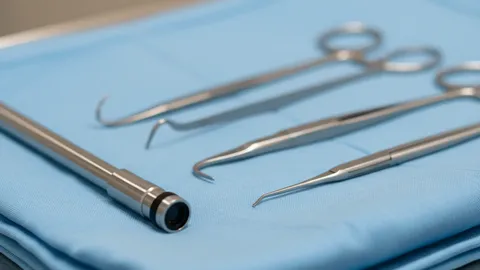 Sports injuries
What Is Knee Arthroscopy? Keyhole Knee Surgery Explained
A plain-language guide to knee arthroscopy, often called keyhole knee surgery. Learn what the procedure involves, what conditions it can treat, and what to expect during recovery.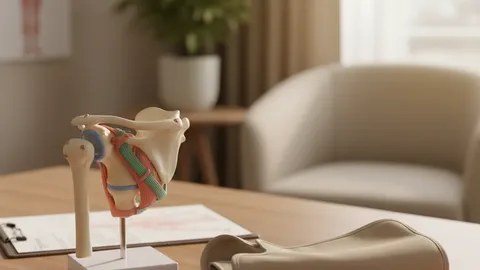 Sports injuries
Shoulder Arthroscopy: Rotator Cuff Tears and Frozen Shoulder
An introduction to shoulder arthroscopy, a type of keyhole surgery. Learn about its use for common conditions like rotator cuff tears and frozen shoulder, and understand the difference between surgical and non-surgical treatments. Travelling for surgery
How to Choose an Orthopedic Surgeon in Lahore
A practical guide to evaluating any orthopedic surgeon in Lahore — what qualifications like FCPS and FACS actually mean, why procedure volume and revision experience matter, and what to ask before you commit to surgery. Regenerative medicine
BMAC and Avascular Necrosis Treatment for the Hip
An evidence-based guide to avascular necrosis treatment of the hip. Learn about AVN causes, radiographic staging, joint preservation with core decompression and BMAC adjuncts, evidence limitations, and total hip replacement.