
Arthritis care
Alternatives to Knee Replacement — What to Try First
A knee replacement is a final step, not a first one. Discover the non-surgical alternatives to knee replacement, including lifestyle changes, physiotherapy, injections, and smaller surgical options.

If you are reading this, it is likely that knee pain is a significant part of your life. Perhaps you have been told you have arthritis, and you are worried that a major operation is your only path forward. For most people, this is not the case. A total knee replacement is usually the final step in a long journey, not the first. There are many effective alternatives to knee replacement that can help you manage symptoms and maintain your quality of life, often for many years. A thorough orthopaedic consultation is designed to explore this ladder of options with you.
The Foundation: Lifestyle and Physical Changes
The first steps in managing knee pain almost always involve changes in your daily life. These focus on reducing joint load and improving its natural support. They are powerful alternatives to knee replacement because they can significantly alter symptoms without medical procedures.

Weight management is crucial. The force going through your knee is a multiple of your body weight with every step. Losing even a small amount of weight can take a significant load off the joint, often leading to a noticeable reduction in pain. Activity modification is about being smart, not inactive, swapping high-impact activities for lower-impact ones like swimming. The aim is to reduce jarring forces while maintaining your fitness.
Building Support with Structured Physiotherapy
Your muscles are your knee's natural, active brace. The large muscles at the front (quadriceps) and back (hamstrings) of your thigh are particularly important. When they are strong and working correctly, they absorb much of the shock from walking and stabilise the knee joint, protecting the worn cartilage surfaces.
Structured physiotherapy is a key non-surgical treatment. It involves a tailored programme of exercises prescribed by a professional. These exercises are not just general fitness; they are specifically designed to strengthen the muscles that support your knee, improve your range of motion, and help with balance. A physiotherapist ensures you are performing the exercises correctly and safely, which is vital for them to be effective.
Aids and Braces: External Support for Your Knee
Sometimes, a little external help can make a big difference. Using a walking stick or a cane can be very effective. When held in the hand opposite your painful knee, it can offload a surprising amount of weight from the joint, reducing pain when you walk.
Knee braces can also be useful for some patients. These range from simple elasticated sleeves, which provide compression and a feeling of support, to more complex 'unloader' braces. An unloader brace is designed to apply a force that shifts your body weight away from the most worn-out part of the knee. The decision to use a brace, and which type is most suitable, is best made after a proper physical examination.
Using Medication and Injections to Manage Symptoms
Pain-relieving and anti-inflammatory medications can play a role in managing the symptoms of knee arthritis, allowing you to engage with physiotherapy and remain active. However, all medications have potential side effects and risks. It is essential that they are taken under the guidance of a doctor, who can help you weigh the benefits for your knee against your overall health.
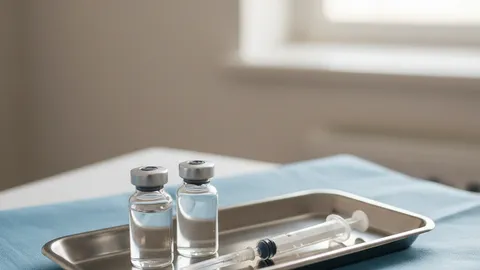
Joint injections are another of the common alternatives to knee replacement used for symptom control. Medication is injected directly into the knee to reduce inflammation. For some patients, this provides relief for a period of weeks or months, enabling better participation in physiotherapy. The response varies from person to person, and the effect is temporary. Your surgeon can discuss whether this might be a suitable option for you.
Are Smaller Surgical Procedures an Option?
For a carefully selected group of patients, surgical options that are less extensive than a total knee replacement may be considered. It is important to understand that these are not suitable for everyone and depend heavily on the specific pattern of arthritis in your knee.
Knee arthroscopy, or 'keyhole surgery', has a very limited role in treating generalised arthritis. While it can be useful for addressing specific mechanical problems like a torn cartilage (meniscus) that is causing the knee to lock, it is not generally recommended simply to 'clean out' an arthritic joint, as the benefits are often minimal and short-lived.
An osteotomy is a more significant operation that realigns the leg. The surgeon cuts and reshapes the bone (usually the shin bone) to shift the line of weight-bearing away from the damaged part of the knee and onto a healthier area. This is typically an option for younger, more active patients whose arthritis is confined to just one side of the joint.
A partial knee replacement is another option for arthritis that is limited to a single compartment of the knee. In this procedure, only the damaged section of the joint is replaced, preserving the healthy bone, cartilage, and ligaments in the rest of the knee. Your surgeon can determine if you are a suitable candidate for this after a thorough assessment including physical examination and imaging.
Recognising When Alternatives Are No Longer Enough
The goal of non-surgical treatment is to keep your symptoms at a manageable level and allow you to live a full life. However, there may come a point when these measures are no longer providing adequate relief. This is usually a gradual process.
Key signs include pain that becomes constant, even at rest, or pain at night that regularly disturbs your sleep. You may find yourself increasingly unable to perform simple daily tasks, such as walking a reasonable distance, managing stairs, or getting up from a chair without severe difficulty. The most telling sign is when your world starts to shrink—when you stop doing things you enjoy or avoid leaving the house because of your knee. This is often the point when a discussion about knee replacement becomes necessary.
When to Seek Urgent Medical Evaluation
While most knee pain can be managed with a scheduled appointment, certain signs are generally regarded as reasons for urgent medical evaluation. These include the sudden onset of a hot, red, and severely swollen knee, particularly if you also have a fever, as this could indicate an infection. Other reasons for prompt assessment include being completely unable to put weight on your leg after an injury, having your knee become 'locked' in a bent position, or noticing a sudden and dramatic change in the shape of your joint.
The Next Step: A Personalised Consultation
This article provides a general overview of the common alternatives to knee replacement. The most appropriate path for you can only be determined after a detailed, in-person assessment. An orthopaedic consultation is not simply about deciding on surgery; it is a comprehensive process to understand your specific problem and explore this entire sequence of non-surgical and surgical options.
To discuss your knee pain and create a management plan tailored to your individual needs, a formal consultation is essential. Dr. Farooq Azam Khan is a consultant orthopaedic and joint replacement surgeon in Lahore. A consultation is the right place for that assessment, and for talking through which of these options applies to your knee.
One newer option not covered above is bone marrow aspirate concentrate, an injection prepared from your own bone marrow. What it can and cannot do is set out in our complete guide to BMAC.
Further reading
 Regenerative medicine
What Is BMAC Injection? A Complete Guide to Joint Preservation in Pakistan
What is BMAC injection? Learn how bone marrow aspirate concentrate works for knee osteoarthritis in Pakistan, clinical trial outcomes, limitations, costs, and candidate selection. Regenerative medicine
Can BMAC Delay Knee Surgery? Alternatives to Knee Replacement
Can BMAC delay joint replacement? Discover how bone marrow aspirate concentrate serves as one of the leading alternatives to knee replacement, reviewing 4-year study data, benefits, limitations, and when delaying surgery is inappropriate. Knee replacement
When Is It Time for a Knee Replacement?
Knee pain does not need to mean surgery. Here are the signs that usually bring people to that conversation, what is normally tried first, and why the decision belongs in a consultation. Regenerative medicine · اردو
BMAC کیا ہے؟ گھٹنوں کے درد کا علاج اور نئی طبی رہنمائی
Ghutno ka dard aur ghutno ke dard ka ilaj — اردو میں جانیں کہ BMAC کیا ہے، ہڈی کے گودے سے تیار شدہ یہ طریقہ کار کیسے کام کرتا ہے، اس کے شواہد کی حدود کیا ہیں اور کون سے مریض اس کے لیے موزوں سمجھے جاتے ہیں۔