
Knee replacement
Free and Subsidised Joint Replacement in Pakistan: How the National Health Card Works
Many patients ask about free knee replacement surgery in Pakistan. This article explains how government schemes like the National Health Card (Sehat Sahulat Programme) and other financial assistance routes may work for joint replacement, and clarifies the steps to verify your eligibility in person.

If you are living with severe joint pain, the thought of surgery can bring both hope and concern. The hope is for a life with less pain and more mobility. The concern, for many people in Pakistan, is about the cost. You may have heard talk of government programmes or options for a free knee replacement surgery in Pakistan. The purpose of this article is to explain how these systems generally work. It is a guide to the process, not a confirmation of your personal eligibility. Understanding your options begins with good information, and a direct conversation with a specialist.
What is the National Health Card (Sehat Sahulat Programme)?
The Sehat Sahulat Programme, often identified by its National Health Card, is a government-led health insurance initiative. Its goal is to provide access to medical care for eligible citizens and their families across a network of participating hospitals. It is designed to reduce the financial burden that a major health event, such as the need for surgery, can place on a family.
It is important to understand that the details of this programme can and do change. The list of covered treatments, the financial limits of that coverage, the network of approved hospitals, and even the criteria for who is eligible can be updated by the government. For this reason, information you find online or hear from friends may not be current. The only way to be certain about your own situation is to have your eligibility officially verified at the time you are seeking treatment.
Can I Get Free Knee Replacement Surgery in Pakistan with the Card?
This is the central question for many patients. Joint replacement surgery, including knee and hip replacement, has at times been included within the scope of the National Health Card programme. However, whether it is covered for you depends on several factors that must all align.
First, the specific government policy in effect at the moment you seek care must include joint replacement. Second, the hospital where you plan to have the surgery must be an active participant in the programme for that specific procedure. Third, you must be an eligible individual according to the programme's database. Finally, your clinical condition must meet the criteria for medically necessary surgery as determined by your surgeon.
An article like this one cannot confirm your eligibility. This confirmation can only happen through the official process at a participating hospital. It is a case-by-case verification that depends entirely on your personal details and the rules in place on that day.
How Do I Check My Eligibility at the Hospital?
The process is straightforward, but it requires you to be physically present. It starts with a clinical consultation. A surgeon must first assess your joint and determine if surgery is the right course of action for you. If surgery is recommended, you can then begin the process of checking your coverage.

Most hospitals participating in the Sehat Sahulat Programme have a dedicated counter or office for this purpose. You will need to present your National Health Card or, in many cases, just your Computerised National Identity Card (CNIC). The staff at this desk will use your information to check your status in the official government database.
This is not a service your surgeon's clinic can perform. It is a function of the hospital administration in direct coordination with the programme authorities. The hospital staff will be able to tell you if you are covered, the extent of that coverage, and what the next steps are. This verification is the essential gateway to using the programme for your treatment.
What 'Covered' Does and Does Not Mean
It is also vital to have a clear understanding of what 'covered' means in practice. It does not always mean that every single aspect of your hospital stay will be without cost to you. Health coverage schemes often work in tiers.
For example, a programme might cover the cost of a standard, widely used joint implant. Your surgeon might, for clinical reasons, recommend a different type of implant that may offer specific benefits for your case. This alternative may or may not be covered by the scheme. Similarly, the programme might cover a stay in a general ward, but choosing a private room would likely involve an additional personal payment.
Other costs, such as certain take-home medications, specialised braces, or other non-standard items, might also be outside the scope of the coverage. The hospital's financial counselling staff have the role of explaining exactly what is and is not included in your specific coverage package before you commit to surgery. It is your right to ask for this detailed breakdown.
Are There Other Routes for Financial Assistance?
Beyond the government's National Health Card, Pakistan's healthcare landscape has other avenues for financial support. Many larger private and trust hospitals have well-established social welfare and Zakat departments. These departments are funded by philanthropy and are designed to help deserving patients who cannot afford the full cost of their care.
Accessing this support is a separate process. It usually involves an application and an assessment of your financial situation by the hospital's welfare team. Like the National Health Card, this is managed by the hospital administration, not your surgeon. If you are found to be eligible, this support can significantly reduce the financial burden of your treatment.
When Joint Pain Becomes an Urgent Matter
While most joint pain is managed through scheduled appointments, some signs are generally regarded as reasons for urgent medical evaluation. If you experience a sudden, dramatic increase in pain that prevents you from putting any weight on your leg, or if you notice a new and significant deformity in the joint, seeking immediate assessment is often advised. Other serious signs include symptoms of a deep infection, such as a high fever or chills accompanied by a hot, red, and swollen joint. Finally, any loss of feeling in your foot, or if your foot becomes cold, pale, or blue, indicates a potential problem with circulation or nerve function that requires prompt medical attention. These sorts of symptoms are typically best evaluated in a hospital emergency setting.
Your Next Step is a Conversation
This article has outlined the systems and processes. It is a map, but you must take the first step of the journey yourself. The path to resolving your joint pain, and to answering your financial questions, begins with a proper medical diagnosis from a qualified surgeon. Only after a surgeon confirms that you are a candidate for surgery can you begin the formal process of having your eligibility for financial support confirmed by the hospital.
To understand the clinical options for your knee pain and to begin the process of exploring your eligibility for these programmes, the next step is a consultation. If you would like to discuss your case with Dr. Farooq Azam Khan, a consultant orthopaedic and joint replacement surgeon in Lahore, please contact our office to schedule an appointment.
Further reading
 Knee replacement
Questions to Ask Before Choosing a Knee Replacement Surgeon
Finding the right surgeon is about more than rankings. This article provides the key questions to ask in your consultation to find the knee replacement surgeon who is the best fit for you.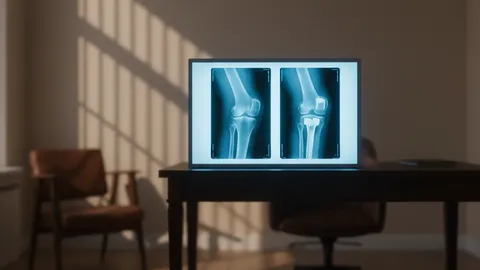 Knee replacement
Revision Knee Replacement: When a First Replacement Needs Redoing
A detailed guide to why a knee replacement might need redoing. Learn about the common knee replacement complications that can lead to revision surgery, how they are diagnosed, and why this procedure is more complex than the first. Arthritis care
Alternatives to Knee Replacement — What to Try First
A knee replacement is a final step, not a first one. Discover the non-surgical alternatives to knee replacement, including lifestyle changes, physiotherapy, injections, and smaller surgical options. Regenerative medicine
What Is BMAC Injection? A Complete Guide to Joint Preservation in Pakistan
What is BMAC injection? Learn how bone marrow aspirate concentrate works for knee osteoarthritis in Pakistan, clinical trial outcomes, limitations, costs, and candidate selection.